Procell Scalp Microchanneling: A Realistic Hair Growth Timeline
Starting a new hair restoration regimen brings a wave of excitement, but that enthusiasm often fades when new growth does not appear in the first mirror check. The cosmetic industry frequently markets miraculous overnight changes, leading clients to expect instant volume. At Revival Drip Bar, we believe in setting scientifically accurate expectations so you can navigate the process with patience and confidence.
Rebuilding damaged or dormant hair follicles is a biological process that simply cannot be rushed. Understanding the natural cycles of your scalp helps you measure progress accurately and avoids unnecessary frustration. True hair growth therapy requires a commitment to a clinical timeline, ensuring that the new strands are strong, healthy, and permanent.
In This Article
- The Biology of Hair Follicle Cycles
- The Danger of Overestimating Initial Speed
- Factors That Influence Your Personal Timeline
- Frequently Asked Questions
The Biology of Hair Follicle Cycles
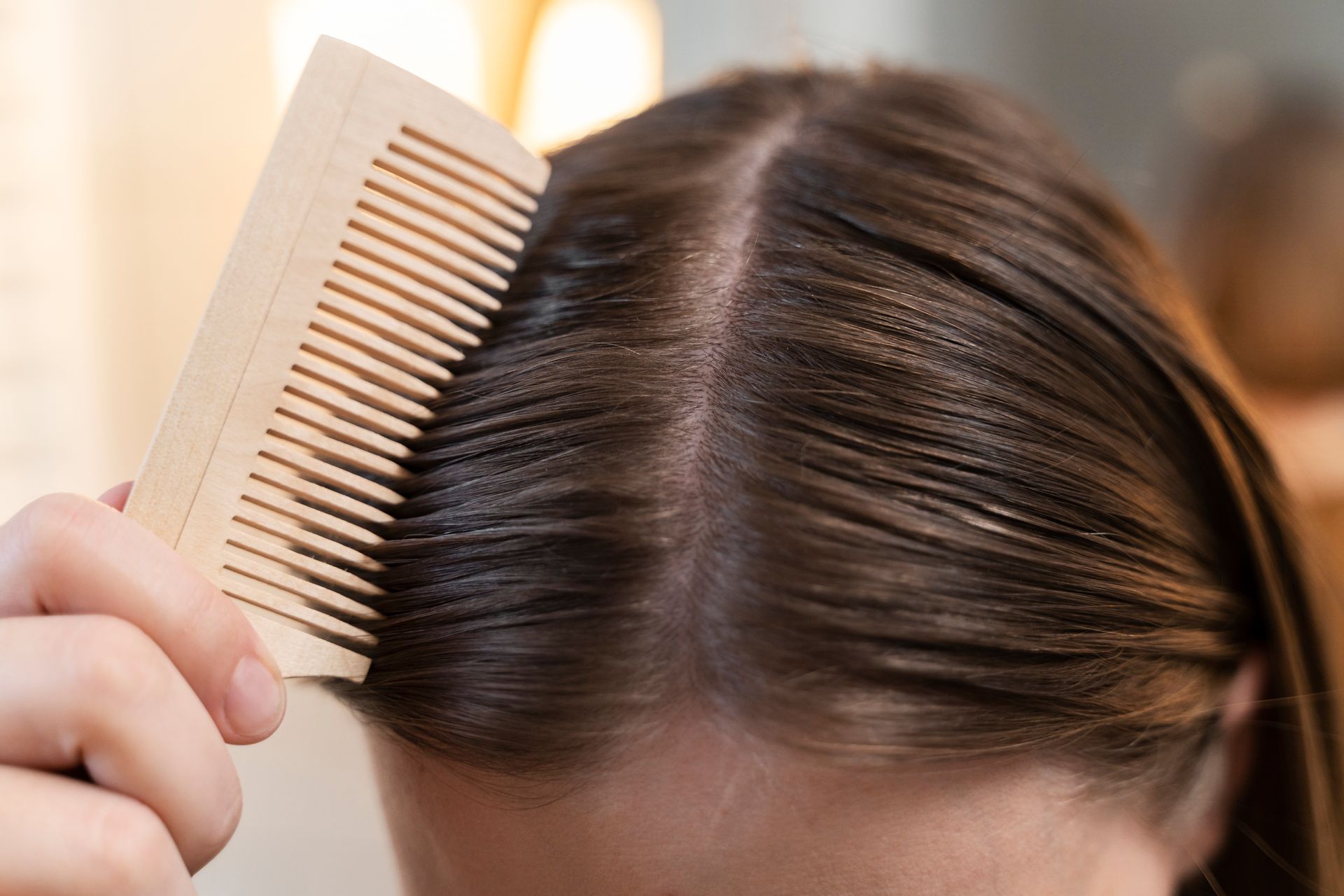
Human hair grows in distinct, staggered phases known as the anagen, catagen, and telogen cycles. When you undergo a scalp microchanneling treatment, the micro-injuries and applied serums are primarily working to stimulate the follicles currently resting in the dormant telogen phase. Waking these follicles up takes time because the body must re-establish a healthy blood supply and cellular structure before a visible strand can push through the skin. It is entirely normal to see no visible change on the surface for the first several weeks while this microscopic reconstruction occurs beneath the epidermal layer.
→ From a professional standpoint: Surface results always lag behind cellular improvements, meaning your scalp is actively healing long before you can see new hair.
The Danger of Overestimating Initial Speed
The most common mistake clients make is assuming that hair restoration treatments work like makeup or immediate dermal fillers. Many people overestimate how fast hair physically grows, expecting inches of new length in a single month. In reality, a healthy human hair only grows about half an inch every thirty days. Clients often become discouraged and abandon their treatment protocols right before the new anagen growth cycle becomes visible. By underestimating the need for absolute consistency, they sabotage the underlying work their body has just completed.
→ A quick tip to remember: Judging your progress before the ninety-day mark will give you an inaccurate picture of your ultimate results.
Factors That Influence Your Personal Timeline
Every client in the Livingston area brings a unique set of biological variables to their appointment. Factors like age, hormonal balance, and baseline nutritional deficiencies play a massive role in how quickly your scalp responds to microchanneling. If your body lacks the essential building blocks for hair, the follicles will struggle to produce strong strands even with external stimulation. This is why we often recommend pairing scalp treatments with internal support like vitamin B12 injections to ensure your cellular metabolism has the energy required to sustain rapid cell division. Environmental factors, stress levels, and strict adherence to daily at-home serum application will also dictate the speed of your recovery.
Frequently Asked Questions
How many microchanneling sessions are needed for hair growth?
Most clinical protocols recommend a baseline series of four to six sessions spaced roughly a month apart. This specific spacing aligns with the natural turnover rate of skin cells and allows the localized inflammation to subside between treatments. Stopping after just one or two sessions interrupts the cumulative collagen production needed to physically anchor new hair roots.
Is shedding normal after a scalp microchanneling treatment?
Experiencing a brief period of increased shedding is a known and expected clinical response. The mechanical stimulation of the scalp often forces older, weaker hairs resting in the telogen phase to detach slightly earlier than they normally would. This clearing process makes room for the new, thicker anagen hairs that the treatment is actively stimulating below the surface.
How do topical vitamins accelerate hair restoration?
Microchanneling creates temporary physical pathways that bypass the protective barrier of the skin. Applying specialized serums packed with biotin, zinc, and growth factors immediately after the procedure ensures these large molecules reach the actual hair bulb. Flooding the follicle with targeted nutrition during its most receptive state dramatically increases the structural integrity of the newly forming hair shaft.
Commit to the Real Process of Restoration
Achieving a thicker, healthier head of hair is a journey that requires partnering with your biology rather than fighting it. When you understand the realistic timeline, the daily maintenance becomes an empowering routine rather than a stressful waiting game. Reach out to our clinic when you are ready to start a scientifically grounded approach to restoring your natural hair.
Share This Blog